How to Write a Dress Code Guests Won’t Misread
Name the level, translate the mood, and answer the practical questions. Your dress code can be stylish without making guests decode it.
01Give the real dress code first
Start with language people recognize: black tie, formal, cocktail, garden party, beach formal. You can add personality after that.
"Midnight garden glamour" might perfectly describe your mood board, but guests still need to know whether that means a tuxedo, a dark suit, a floor-length dress, or a silk set with good shoes.
Use the standard level as the anchor. Let the second sentence create the world.
02Translate the mood in one sentence
Good dress code copy gives examples without issuing costumes.
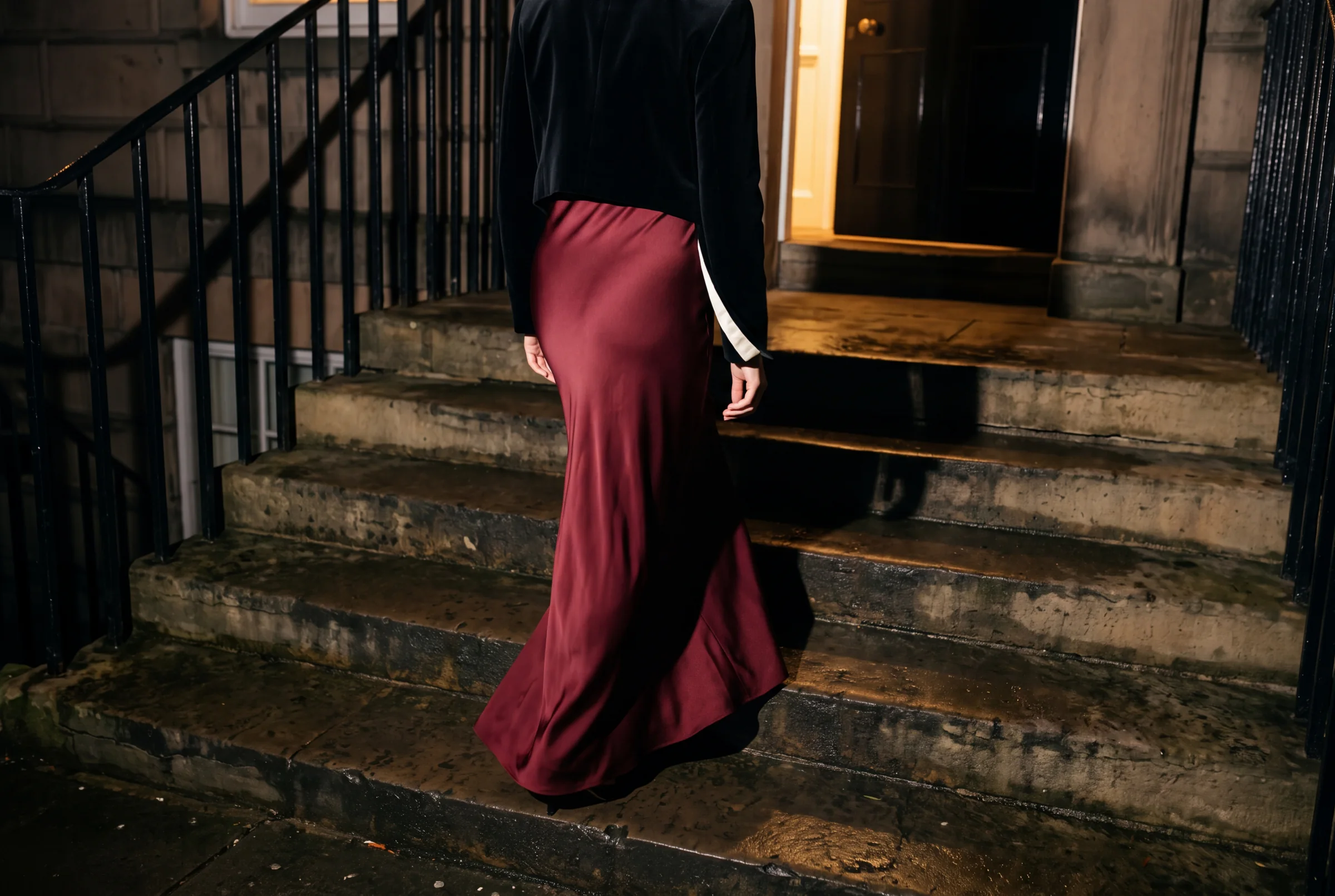
Try: "Cocktail attire—think dark suits, midi or ankle-length dresses, and polished separates in rich evening colors."
That sentence tells guests the formality, length, palette, and energy. It does not tell them exactly what to buy.
03Answer the questions created by the venue
If the ceremony is on grass, say so. If the temperature drops quickly after sunset, recommend a layer. If part of the evening is outdoors, tell guests. If a cultural or religious setting requires covered shoulders, explain that clearly and respectfully.
These notes are not styling commentary. They keep guests comfortable and prevent the wrong shoes from becoming the story of cocktail hour.
04Be careful with color requests
A palette can be fun when it is optional and broad. "Deep autumn tones welcome" gives guests room. "Please wear #5C1820" turns attendance into a sourcing assignment.
If a color matters for a cultural tradition or ceremony, give the context. People are more willing to follow a request when they understand why it belongs.
05Add a visual only when it clarifies
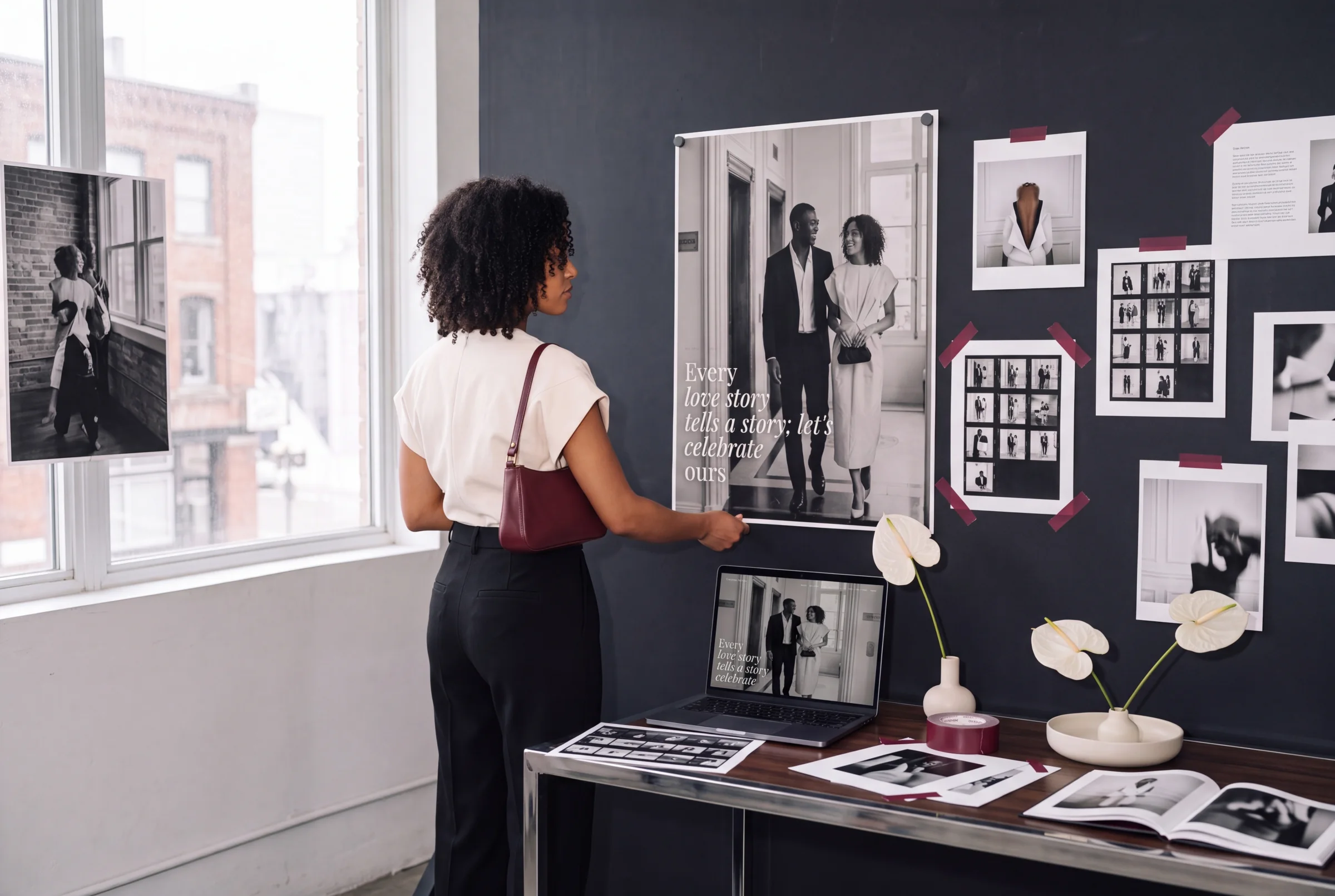
A small attire mood board can help with unusual settings or creative dress codes. Keep it edited: four to six images, a range of bodies and silhouettes, and no single outfit that looks like the required uniform.
The copy should still stand on its own. Guests should not have to reverse-engineer the formality from Pinterest photos.
06The final formula
Use this:
Recognizable dress code + one-sentence translation + venue or weather note.
That is enough to feel considered. Anything longer starts to sound like wardrobe direction for a campaign—and your guests are not the cast.
Mercedes
Founder & Creative Director
Altar & Archive
Notes on design, hospitality, and the small decisions that make a celebration feel entirely your own.